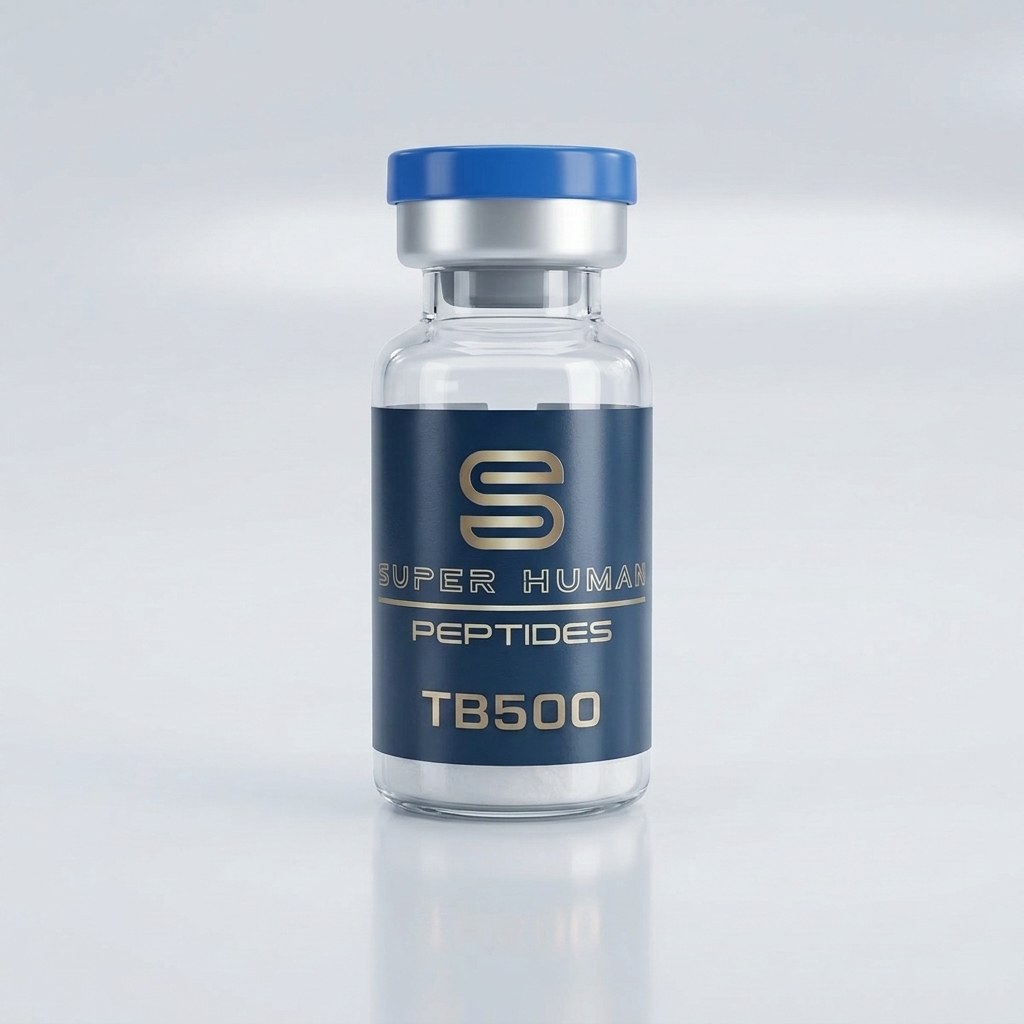
B7-33 from Super Human Peptides UK is a highly advanced, synthetic single-chain peptide. It is an engineered derivative of the naturally occurring human relaxin-2 (H2 relaxin) hormone, specifically modeled by isolating residues 7 through 33 of the hormone's B-chain. In laboratory research, B7-33 serves as a groundbreaking model for investigating the rapid reversal of severe tissue fibrosis and advanced cardiovascular repair.
Researchers utilize this peptide because it acts as a "functionally selective" agonist of the relaxin family peptide receptor 1 (RXFP1). Unlike the native, full-length relaxin hormone—which triggers multiple signaling pathways simultaneously—B7-33 specifically activates the pERK1/2 pathway while bypassing the cyclic AMP (cAMP) cascade. This targeted engagement forces cells to release collagen-degrading enzymes that dissolve scar tissue, completely avoiding the unwanted systemic vasodilation and tumor-exacerbating side effects associated with cAMP activation.
Produced under GMP-compliant conditions and verified for 99% purity or higher, B7-33 is an elite tool for advanced preclinical research into myocardial infarction recovery, pulmonary fibrosis, and extracellular matrix remodeling.
- —Single-Chain Relaxin Derivative: A synthetically truncated, stable version of the human relaxin-2 B-chain, bypassing the extreme instability of the native two-chain hormone.
- —Selective RXFP1 Agonist: Binds powerfully to the relaxin receptor but selectively signals through the pERK1/2 pathway. c
- —AMP Pathway Avoidance: Deliberately bypasses the cyclic AMP signaling cascade, preventing off-target effects like extreme vasodilation or the promotion of tumor growth
- —Profound Anti-Fibrotic: Triggers the expression of matrix metalloproteinases (specifically MMP-2) to rapidly degrade excessive extracellular matrix and pathological scar tissue.
- —High Purity: 99% purity or higher (verified by HPLC and MS analysis).
- —Quality Standard: GMP / ISO certified manufacturing.
- —Cardiac Remodeling and Infarction: Preclinical modeling of the rapid reduction in infarct size and the preservation of left ventricular fractional shortening following a simulated heart attack (ischemia-reperfusion injury).
- —Extracellular Matrix Degradation: Measuring the dose-dependent up-regulation of MMP-2 enzymes responsible for dissolving rigid collagen deposits in fibrotic tissue.
- —Pulmonary and Renal Fibrosis: Investigating the peptide's ability to halt and reverse structural scarring in the lungs and kidneys following chemically induced toxicity or chronic inflammation.
- —Receptor Pathway Selectivity: Studying the intracellular signaling mechanics that allow B7-33 to activate the therapeutic pERK1/2 cascade without triggering the cAMP pathway.
- —Fibroblast Activation: Evaluating the suppression of myofibroblast differentiation, effectively halting the cellular machinery responsible for producing excess scar tissue.
The development of B7-33 represents a massive breakthrough in cardiovascular and fibrotic research. Native human relaxin-2 (clinically investigated as serelaxin) was long known to possess incredible tissue-healing properties. However, its complex two-chain structure made it incredibly difficult and expensive to synthesize, and its activation of the cAMP pathway caused problematic side effects in vivo.
In 2016, a research team successfully isolated the active B-chain of the hormone and engineered the single-chain B7-33 derivative. In landmark laboratory and animal modeling, B7-33 demonstrated the ability to completely mimic the anti-fibrotic and cardioprotective effects of native relaxin without any of the drawbacks. In models of heart failure and severe asthma, administration of B7-33 rapidly reduced collagen buildup and restored organ function.
Crucially, because it did not elevate cAMP, it did not promote prostate tumor growth—a side effect previously observed with the full relaxin hormone. Because it offers targeted, highly stable scar-tissue degradation, it is currently one of the most prioritized compounds in regenerative pathology.
- 1.Hossain, M.A. et al., "A single-chain derivative of the relaxin hormone is a functionally selective agonist of the G protein-coupled receptor, RXFP1," Chemical Science, 2016.
- 2.Devarakonda, T. et al., "B7-33, a Functionally Selective Relaxin Receptor 1 Agonist, Attenuates Myocardial Infarction-Related Adverse Cardiac Remodeling in Mice," Journal of the American Heart Association, 2020.
- 3.Alam, F. et al., "The single-chain relaxin mimetic, B7-33, maintains the cardioprotective effects of relaxin and more rapidly reduces left ventricular fibrosis compared to perindopril in an experimental model of cardiomyopathy," Biomedicine & Pharmacotherapy, 2023.
- 4.Marshall, S.A. et al., "B7-33 replicates the vasoprotective functions of human relaxin-2 (serelaxin)," European Journal of Pharmacology, 2017.