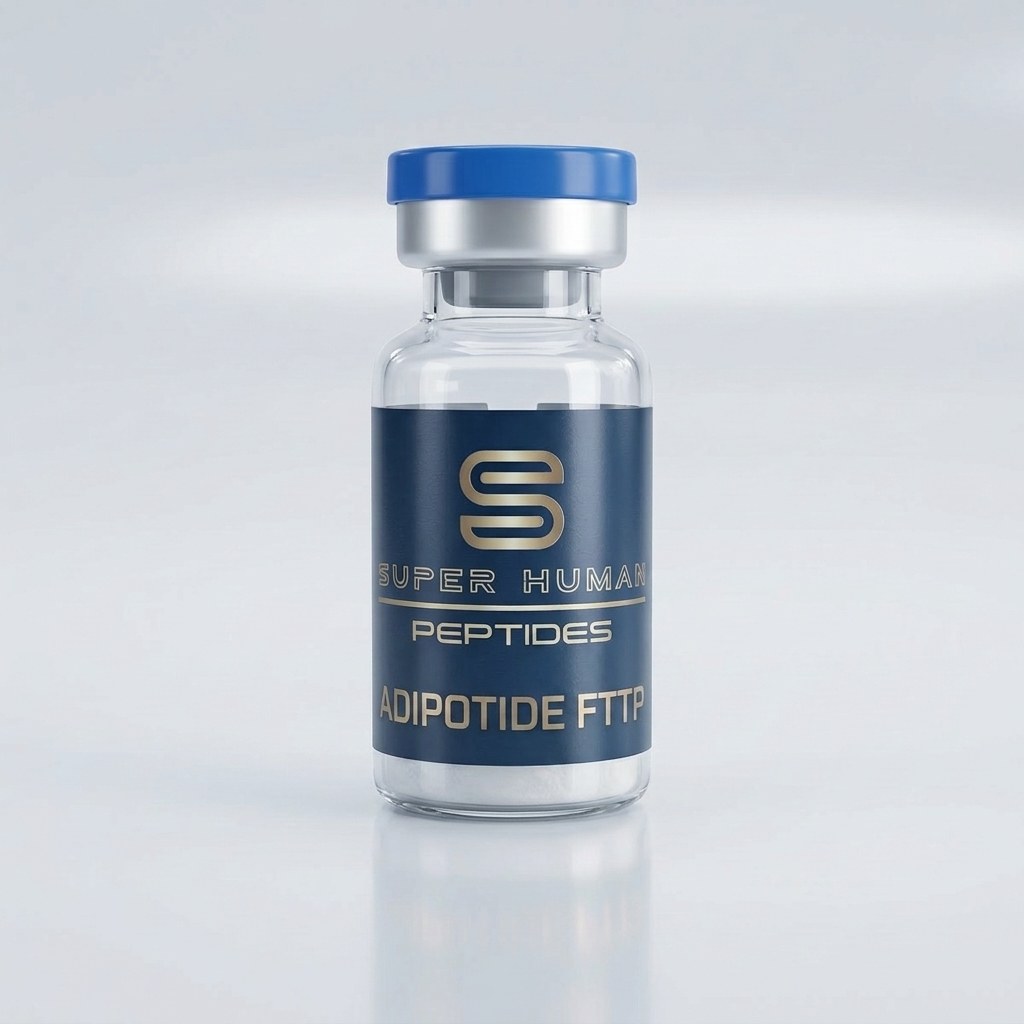
FTPP Adipotide
FTPP (Fat-Targeted Proapoptotic Peptide), widely known in research literature as Adipotide, from Super Human Peptides UK is a highly advanced, synthetic peptidomimetic. Unlike traditional metabolic peptides that alter hormonal signaling to increase fat oxidation, Adipotide employs a radically different, targeted cytolytic mechanism. In laboratory research, Adipotide is the premier model for investigating the physical destruction of white adipose tissue (WAT).
Researchers utilize this peptide because it acts as a "homing" sequence that specifically binds to prohibitin—a receptor protein expressed exclusively on the surface of the blood vessels supplying white fat cells. Once bound, it triggers a localized, synthetic peptide sequence that forces the endothelial cells into apoptosis (programmed cell death). By destroying the blood supply, the fat cells are starved, die, and are naturally reabsorbed by the body.
Produced under GMP-compliant conditions and verified for 99% purity or higher, FTPP is an elite tool for advanced research into severe obesity, extreme rapid weight loss, and targeted vascular disruption.
- —Proapoptotic Mechanism: Induces programmed cell death strictly in the vasculature of white adipose tissue.
- —Prohibitin Targeting: Specifically homes in on prohibitin receptors, avoiding healthy blood vessels and brown adipose tissue.
- —Vascular Starvation: Physically destroys fat cells by cutting off their blood and nutrient supply, rather than relying on increased metabolic burn.
- —Extreme Weight Loss Models: Studied for rapid, massive reductions in body fat percentage in severely obese subjects.
- —High Purity: 99% purity or higher (verified by HPLC and MS analysis).
- —Quality Standard: GMP / ISO certified manufacturing.
- —Endothelial Apoptosis: Studying the intracellular cascade triggered by the peptide that leads to the breakdown of mitochondrial membranes in fat-feeding blood vessels. White vs.
- —Brown Adipose Tissue: Investigating the unique specificity of the peptide, which attacks energy-storing white fat while leaving energy-burning brown fat completely intact.
- —Rapid Lipodystrophy: Preclinical models exploring the acute, massive reduction of body mass and visceral fat volume over extremely short durations (weeks rather than months).
- —Insulin Resistance: Measuring the secondary systemic benefits of massive fat reduction, including the rapid normalization of blood glucose and insulin sensitivity in diet-induced obesity.
- —Renal Pharmacokinetics: Monitoring and managing the transient changes in renal (kidney) function associated with the body clearing massive amounts of necrotic fat tissue.
Adipotide was developed by a team of researchers at the MD Anderson Cancer Center, led by Dr. Wadih Arap and Dr. Renata Pasqualini.
Originally studying how to starve cancer tumors by cutting off their blood supply, the team utilized a similar targeted-vascular approach to attack white adipose tissue. In their landmark 2011 study published in Science Translational Medicine, the researchers administered Adipotide to severely obese non-human primates. The results were unprecedented in metabolic research: within merely four weeks of administration, the subjects lost an average of 11% of their total body weight and nearly 40% of their total abdominal fat without any changes to their diet or physical activity.
The researchers confirmed that the weight loss was entirely due to the targeted apoptosis of the vascular beds feeding the fat, forcing the body to reabsorb the dead adipose tissue. Because it circumvents the central nervous system (avoiding the psychiatric side effects of traditional appetite suppressants) and physically deletes fat cells, it remains one of the most aggressive and heavily studied anti-obesity compounds in existence.
- 1.Barnhart, K.F. et al., "A peptidomimetic targeting white fat causes weight loss and improved insulin resistance in obese monkeys," Science Translational Medicine, 2011.
- 2.Kolonin, M.G. et al., "Reversal of obesity by targeted ablation of adipose tissue," Nature Medicine, 2004.
- 3.Mikhail, W.A. et al., "Prohibitin-targeting peptidomimetics as therapeutics for obesity," Current Opinion in Endocrinology, Diabetes and Obesity, 2012.
- 4.Kim, D.H. et al., "Targeted therapy for obesity and metabolic syndrome," Diabetes, Metabolic Syndrome and Obesity: Targets and Therapy, 2013.