GDF-8 (Myostatin)
GDF-8 (Growth Differentiation Factor 8), commonly known as Myostatin, from Super Human Peptides UK is a high-purity, recombinant homodimer. It is a highly conserved member of the Transforming Growth Factor-beta (TGF-beta) superfamily. In laboratory research, GDF-8 serves as the primary model for investigating the active suppression of skeletal muscle growth and the induction of muscle wasting (cachexia).
While compounds like Follistatin are used to block this pathway, researchers utilize exogenous GDF-8 to directly activate the activin type IIB (ActRIIB) receptor. This activation triggers the intracellular Smad2/3 signaling cascade, which effectively halts myoblast proliferation and down-regulates muscle protein synthesis. Produced under GMP-compliant conditions and verified for 99% purity or higher, recombinant GDF-8 is an essential baseline tool for advanced in-vitro and in-vivo research into muscular dystrophy, age-related sarcopenia, and metabolic tissue decay.
- —Endogenous Catabolic Regulator: The master negative regulator of skeletal muscle mass.
- —ActRIIB Agonist: Binds directly to activin type IIB receptors to trigger Smad-mediated muscle atrophy.
- —Cachexia Induction: Heavily utilized to create baseline muscle-wasting models in preclinical studies.
- —High Purity: 99% purity or higher (verified by SDS-PAGE and HPLC).
- —Quality Standard: GMP / ISO certified manufacturing.
- —Smad Pathway Activation: Studying the intracellular phosphorylation of Smad2 and Smad3 proteins that suppress myogenesis.
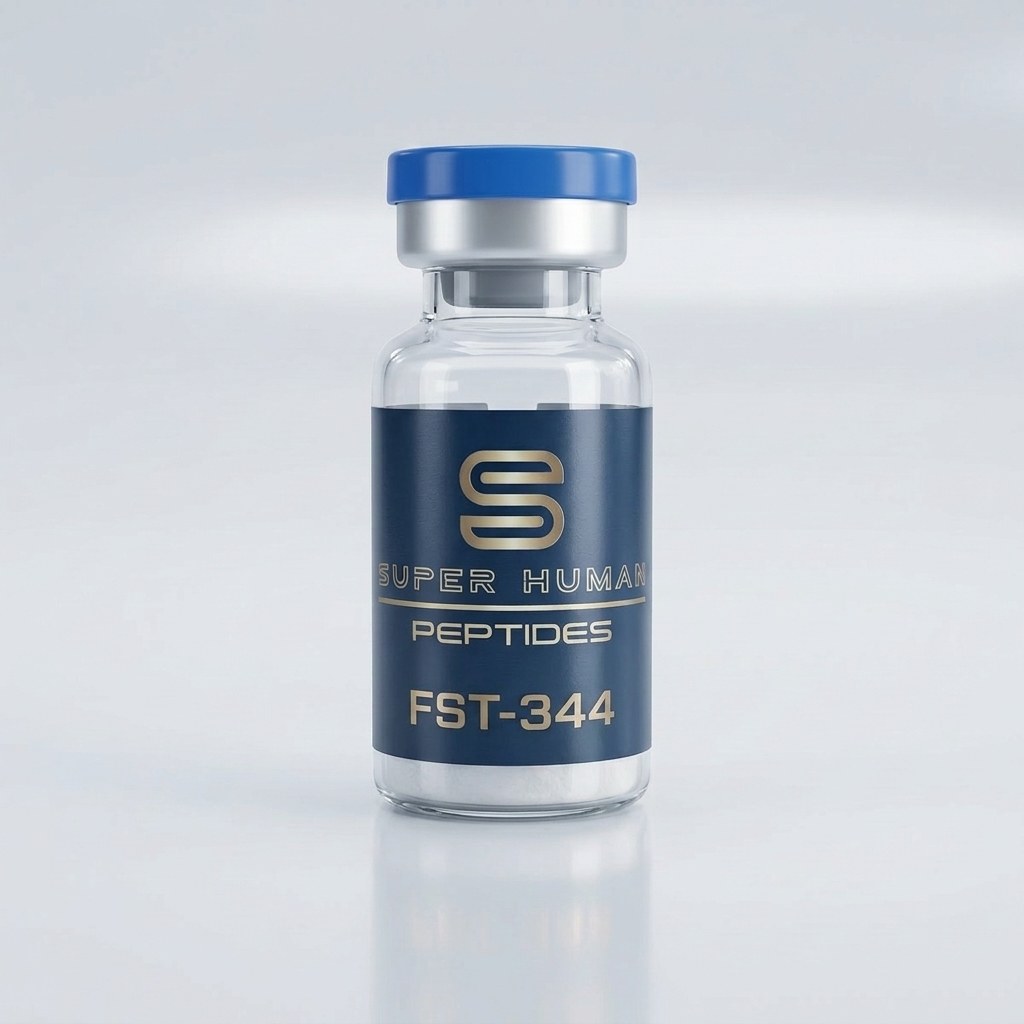
- —Atrophy and Cachexia Models: Inducing severe muscle wasting in cell cultures or animal models to test the efficacy of novel myostatin inhibitors (like ACE-031 or FST-344).
- —Satellite Cell Inhibition: Investigating how GDF-8 maintains muscle stem cells in a quiescent (dormant) state, preventing cellular repair and division.
- —Bone Metabolism: Researching the secondary effects of systemic myostatin on bone mineral density, specifically its role in stimulating osteoclast activity and reducing bone formation.
- —Fibrosis and Adipogenesis: Evaluating the peptide's ability to promote the formation of fibrotic scar tissue and fat accumulation within skeletal muscle.
GDF-8 was discovered in 1997 by researchers Se-Jin Lee and Alexandra McPherron, who identified it as a critical chalone—a tissue-specific growth inhibitor. They famously demonstrated that knocking out the MSTN gene in animal models resulted in a massive "double-muscling" phenotype characterized by extreme cellular hyperplasia and hypertrophy. Conversely, laboratory studies administering recombinant GDF-8 demonstrate its potent catabolic power.
In landmark studies by Zimmers et al., the systemic administration of active myostatin in animal models induced profound cachexia, mimicking the severe muscle wasting seen in advanced oncology and heart failure models. Because it so reliably triggers the degradation of lean tissue and the up-regulation of muscle-destroying enzymes (like ubiquitin ligases), GDF-8 remains the gold standard for testing new therapeutic interventions aimed at reversing progressive musculoskeletal decay.
- 1.McPherron, A.C. et al., "Regulation of skeletal muscle mass in mice by a new TGF-beta superfamily member," Nature, 1997.
- 2.Zimmers, T.A. et al., "Induction of cachexia in mice by systemically administered myostatin," Science, 2002.
- 3.Lee, S.J., "Regulation of muscle mass by myostatin," Annual Review of Cell and Developmental Biology, 2004.
- 4.Thomas, M. et al., "Myostatin, a negative regulator of muscle growth, functions by inhibiting myoblast proliferation," Journal of Biological Chemistry, 2000.