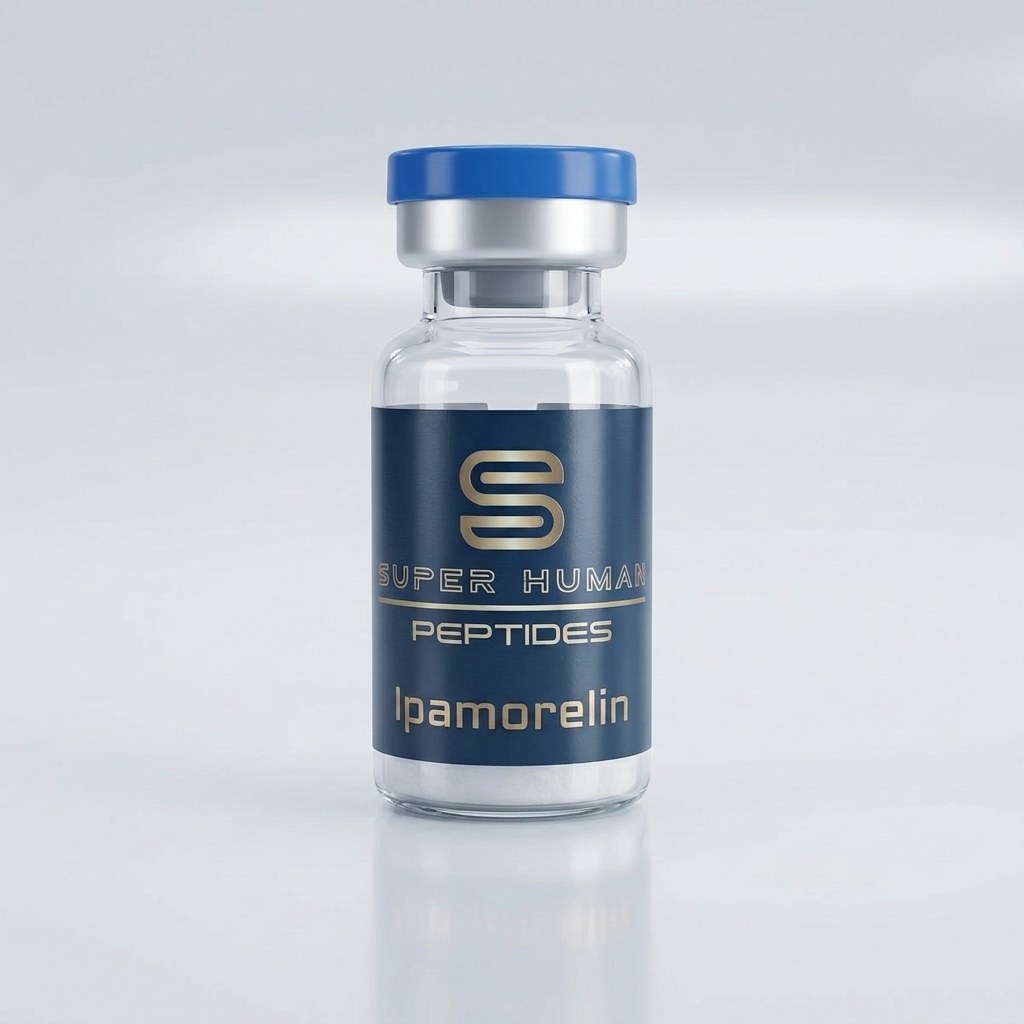
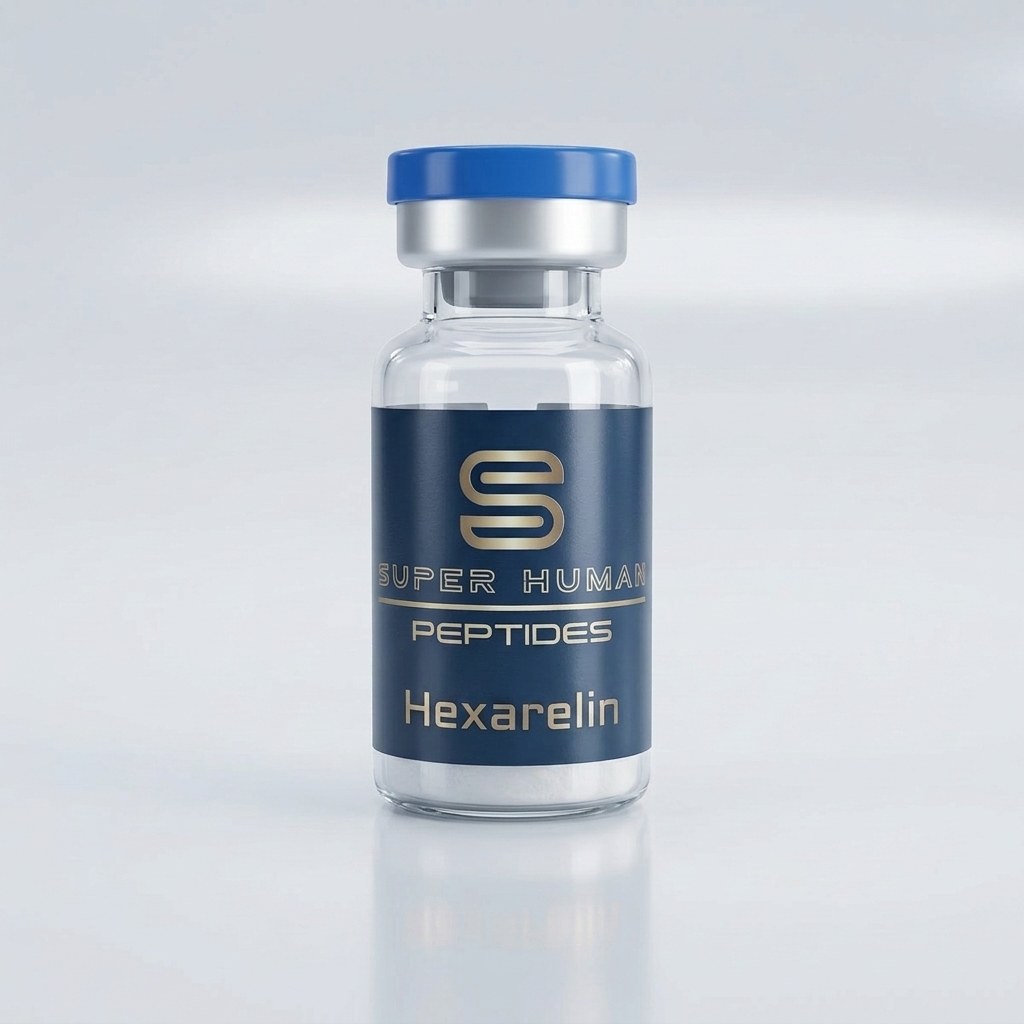
GHRP-2 (scientifically known as Pralmorelin) from Super Human Peptides UK is a highly advanced, synthetic hexapeptide (6-amino-acid sequence). It belongs to the elite class of Growth Hormone Secretagogues (GHS) and acts as a powerful agonist of the ghrelin/growth hormone secretagogue receptor (GHSR1a). In laboratory research, GHRP-2 serves as one of the most potent models for investigating massive, acute elevations in endogenous Growth Hormone (GH).
Researchers utilize this peptide because it aggressively stimulates the pituitary somatotrophs to release a rapid pulse of GH, even in the presence of somatostatin (the body's GH-blocking hormone). Within the GHRP family, it occupies a unique middle ground: it produces a stronger GH pulse than Ipamorelin but triggers significantly less appetite stimulation (gastric motility) than GHRP-6. Produced under GMP-compliant conditions and verified for 99% purity or higher, GHRP-2 is an essential tool for advanced preclinical research into age-related GH decline, bone mineral density restoration, and extreme cellular repair.
- —Ghrelin Receptor Agonist: Binds powerfully to the GHSR1a receptor in the pituitary and hypothalamus to force a massive release of stored growth hormone.
- —Extreme Potency: Widely studied as one of the most effective hexapeptides for generating peak plasma GH concentrations.
- —Moderate Orexigenic Effect: Triggers mild to moderate appetite stimulation (significantly less aggressive than GHRP-6).
- —Short Half-Life: Clears the system rapidly (half-life of roughly 30 minutes), ensuring physiological pulsing rather than continuous unnatural elevation.
- —High Purity: 99% purity or higher (verified by HPLC and MS analysis).
- —Quality Standard: GMP / ISO certified manufacturing.
- —Peak GH Secretion Modeling: Measuring the intense, dose-dependent spike in circulating plasma growth hormone immediately following intravenous or subcutaneous administration.
- —Somatostatin Override: Investigating the peptide's unique pharmacological ability to force GH release even when natural somatostatin levels are artificially elevated.
- —Prolactin and Cortisol Dynamics: Preclinical evaluation of the secondary, mild elevations in ACTH, cortisol, and prolactin that occur at higher dosage thresholds.
- —Bone and Tissue Remodeling: Studying the downstream effects of elevated IGF-1 on the rapid acceleration of bone mineralization and the repair of damaged skeletal muscle fibers.
- —Metabolic Turnover: Researching the acute mobilization of free fatty acids from adipose tissue immediately following the massive GH pulse.
GHRP-2 was developed in the early 1990s following the discovery of the first synthetic growth hormone-releasing peptides by Dr. Cyril Bowers and his research team. They engineered these synthetic hexapeptides to artificially mimic the then-undiscovered natural hormone ghrelin.
In extensive laboratory and advanced clinical modeling, GHRP-2 (Pralmorelin) consistently proved to be profoundly effective. Foundational studies comparing various secretagogues frequently cite GHRP-2 as generating the highest peak plasma GH levels per microgram. While it does possess slight cross-reactivity—meaning high doses can cause mild, transient spikes in cortisol and prolactin—it remains an incredibly valuable laboratory standard because it reliably guarantees a massive GH release regardless of the subject's baseline somatostatin levels.
Because of its sheer potency and reliability, it is a staple compound in advanced endocrine and anti-aging research.
- 1.Bowers, C.Y., "GH releasing peptides - structure and kinetics," Journal of Pediatric Endocrinology, 1993.
- 2.Pihoker, C. et al., "Prominent episodic secretion of growth hormone in children with idiopathic short stature following administration of the growth hormone-releasing peptide GHRP-2," The Journal of Clinical Endocrinology & Metabolism, 1997.
- 3.Wu, D. et al., "The effect of GH-releasing peptide-2 (GHRP-2) or BDNF on GH secretion in the rat," Journal of Endocrinology, 1994.
- 4.Phung, L.T. et al., "The effects of growth hormone-releasing peptide-2 (GHRP-2) on the release of growth hormone and growth performance in swine," Domestic Animal Endocrinology, 2000.