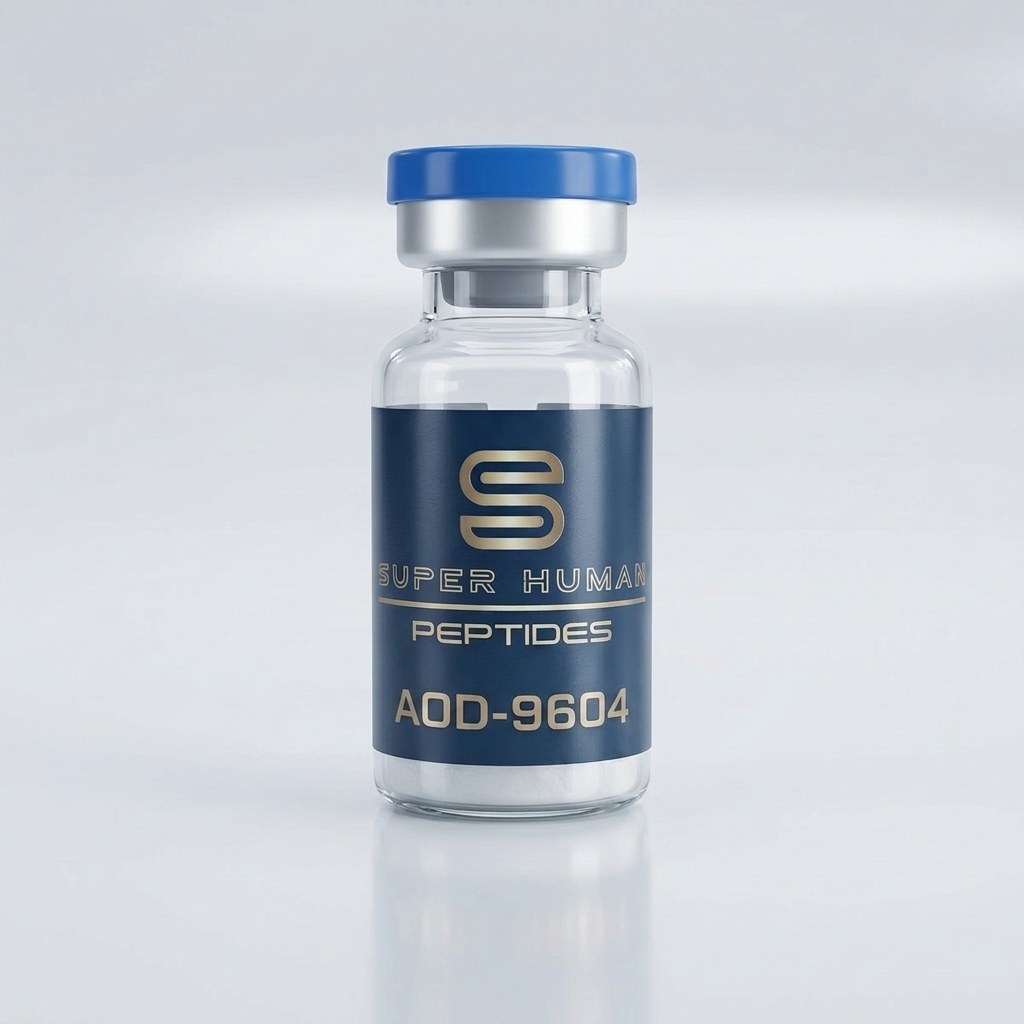
HGH Fragment 176-191 from Super Human Peptides UK is a synthetic peptide representing the terminal C-terminus end of the human growth hormone molecule. In laboratory research, this specific 16-amino acid sequence is studied for its potent lipolytic (fat-breaking) properties. Unlike the full-length growth hormone molecule, Fragment 176-191 is engineered to isolate the fat-metabolism effects of GH without triggering growth-promoting (mitogenic) activity or influencing insulin sensitivity.
Produced under GMP-compliant conditions and verified for 99% purity or higher, HGH Fragment 176-191 is a primary tool for investigating lipid oxidation and adipose tissue regulation.
WarningFor laboratory research use only. Not for human consumption.
Key Features
- —High Purity: 99% purity or higher (verified by HPLC and MS analysis).
- —Targeted Lipolytic Agent: Isolated C-terminus sequence of hGH.
- —Non-Glycaemic: Studied for its ability to avoid the "diabetogenic" effects of full HGH.
- —Quality Standard: GMP / ISO certified manufacturing.
- —Documentation: Full Certificate of Analysis (COA) included.
Research Focus
- —Lipolysis Mechanisms: Studies on the breakdown of triglycerides in adipocytes.
- —Inhibition of Lipogenesis: Research into the peptide's ability to block the formation of new fatty acids.
- —Energy Homeostasis: Investigating systemic fat oxidation and metabolic rate in animal models.
- —Beta-3 Adrenergic Receptors: Research into the secondary pathways through which the fragment may influence thermogenesis.
- —Comparison Studies: Evaluating the fragment against full-length HGH for metabolic efficiency and safety profiles.
Published Research and Study Findings
HGH Fragment 176-191 has been extensively documented for its ability to mimic the way natural growth hormone regulates fat metabolism. Research led by Ng et al. (2000) demonstrated that this specific fragment retains the ability of GH to reduce body fat in obese animal models while significantly reducing the risk of side effects like fluid retention and decreased glucose tolerance.
Laboratory studies have shown that the fragment works by stimulating the breakdown of fat (lipolysis) and inhibiting the transformation of non-fatty foods into body fat (lipogenesis). Furthermore, because it lacks the "growth" portion of the GH molecule (the N-terminus), it does not compete for the GH receptor in a way that would stimulate IGF-1 levels, making it a highly specific tool for metabolic researchers.
NoteAll findings are derived from laboratory and non-clinical research settings.
Representative Scientific References
- 1.Ng, F.M. et al., "Metabolic studies of a synthetic lipolytic fragment of human growth hormone," Metabolism, 2000.
- 2.Heffernan, M.A. et al., "The effects of human GH and its lipolytic fragment (AOD9604) on lipid metabolism," Endocrinology, 2001.
- 3.Wu, Z. et al., "Stimulation of lipolysis by the C-terminal fragment of human growth hormone," Journal of Peptide Research, 2003.
- 4.Stier, H. et al., "Safety and tolerability of the hGH fragment AOD9604," Journal of Endocrinology and Metabolism, 2013.