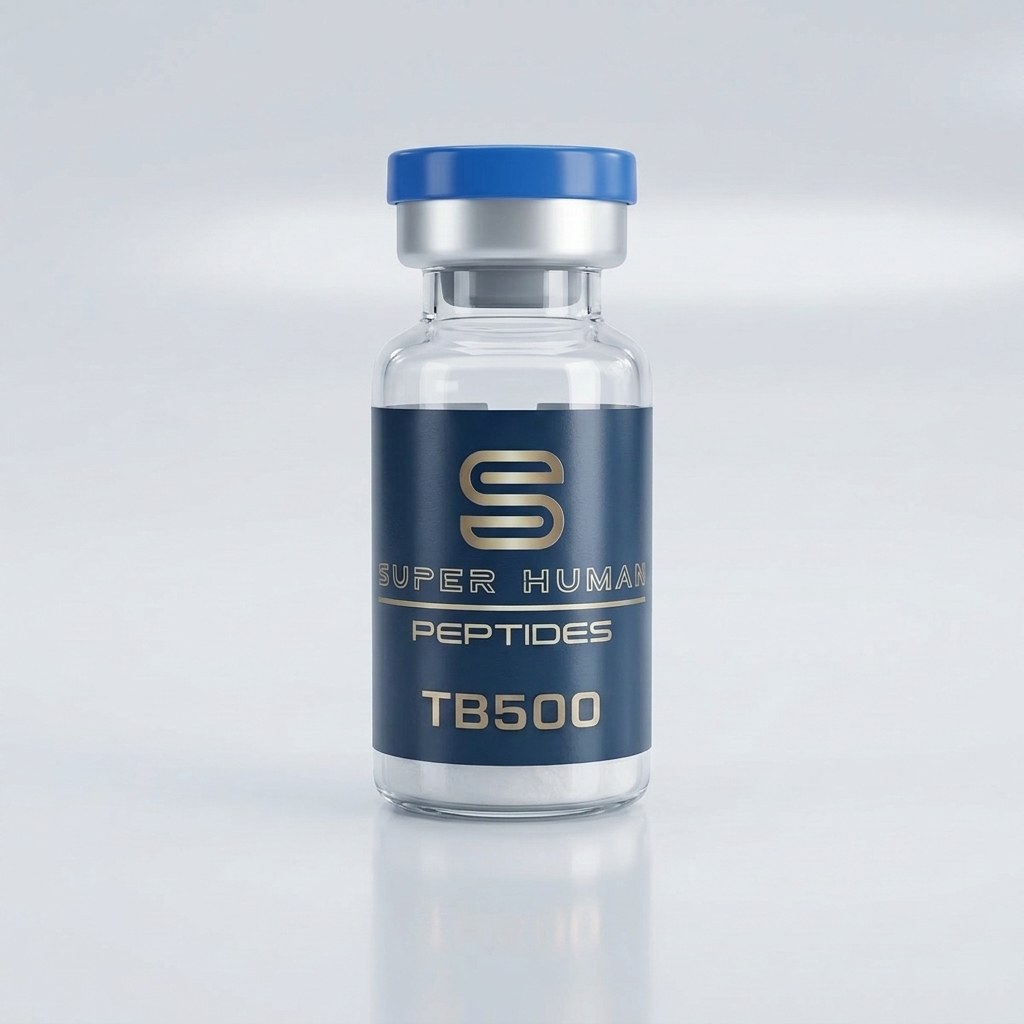
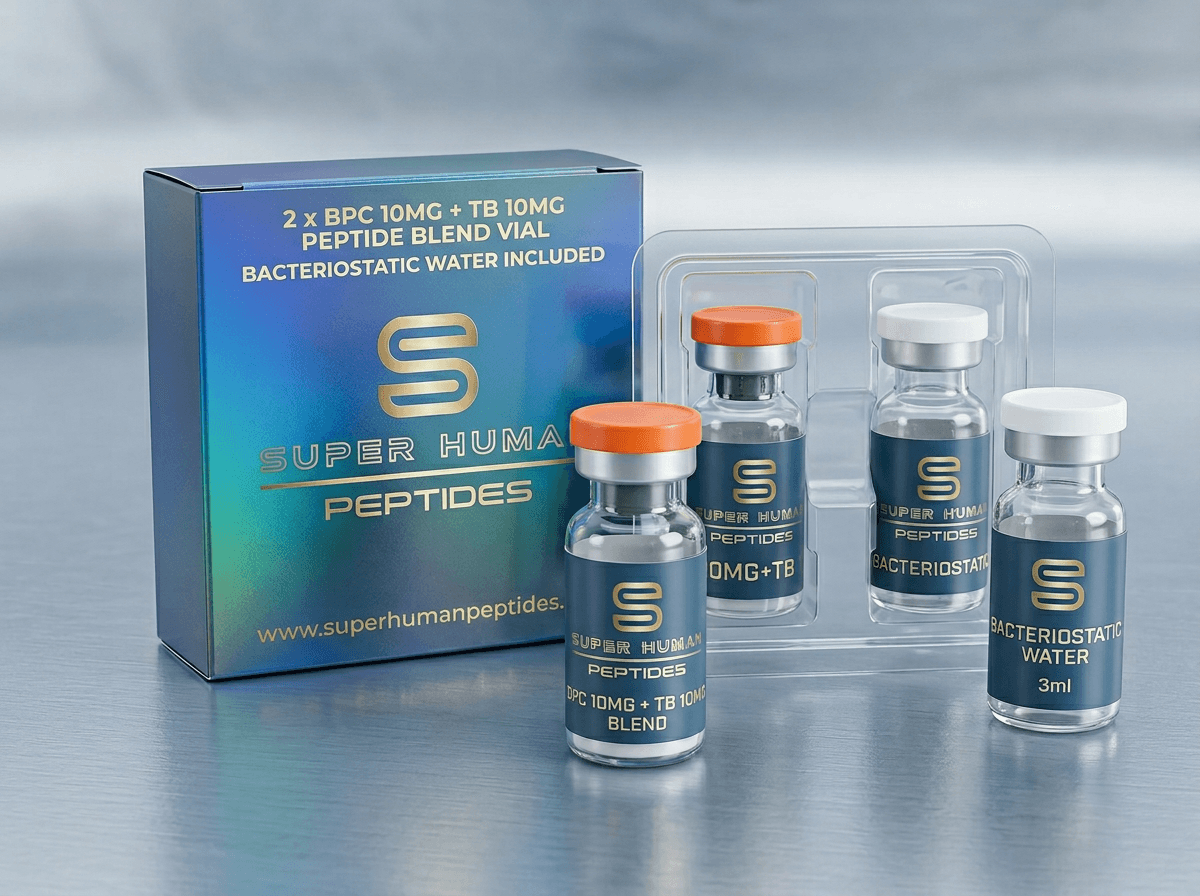
BPC-157 from Super Human Peptides UK is a highly advanced, synthetic pentadecapeptide (15-amino-acid sequence). It is an engineered, highly stable replica of a naturally occurring protective peptide isolated from human gastric juice. In laboratory research, BPC-157 serves as the absolute gold standard for investigating profound systemic tissue repair and advanced wound healing.
Researchers utilize this peptide because it aggressively up-regulates the VEGFR2 (Vascular Endothelial Growth Factor Receptor 2) pathway. By activating this receptor, BPC-157 triggers massive angiogenesis—the rapid physical formation of new blood vessels. This allows the body to flood normally avascular, slow-healing areas (like severe tendon tears, ligament ruptures, and intestinal damage) with oxygen and repair cells.
Produced under GMP-compliant conditions and verified for 99% purity or higher, BPC-157 is an elite tool for advanced preclinical research into musculoskeletal trauma, inflammatory bowel disease models, and nitric oxide system modulation.
- —Profound Angiogenesis: Forces the creation of new blood vessel networks (via VEGFR2 activation) to deliver oxygen and nutrients to severely damaged tissue.
- —Tendon & Ligament Repair: Heavily studied for its unique ability to accelerate the healing of avascular connective tissues that traditionally struggle to repair themselves.
- —Gastrointestinal Healing: Replicates the peptide's natural biological role by rapidly repairing the gut lining and reversing NSAID-induced gastric ulcers.
- —Nitric Oxide (NO) Modulation: Interacts with the Nitric Oxide Synthase (NOS) pathway to stabilize blood pressure and protect the cardiovascular system during toxic stress.
- —High Purity: 99% purity or higher (verified by HPLC and MS analysis).
- —Quality Standard: GMP / ISO certified manufacturing.
- —Musculoskeletal Trauma: Measuring the accelerated, biomechanically superior healing of crushed muscle tissue, severed Achilles tendons, and completely ruptured ligaments.
- —Gastric Mucosa Repair: Preclinical modeling of the rapid reversal of severe gastrointestinal lesions, fistulas, and inflammatory bowel disease (Crohn's/Colitis models).
- —Corneal and Nerve Regeneration: Investigating the peptide's secondary ability to heal corneal lacerations and promote the survival of traumatized peripheral nerves.
- —Vascular Protection: Studying the mitigation of ischemia-reperfusion injury, demonstrating how BPC-157 protects organs from massive cellular death when blood flow is temporarily cut off and then restored.
- —Toxicity Rescue: Evaluating the compound's ability to neutralize the toxic, tissue-destroying side effects of massive NSAID (e.g., ibuprofen) or corticosteroid overdoses.
The discovery and documentation of BPC-157 is largely credited to Dr. Predrag Sikiric and his research team at the University of Zagreb in Croatia. They originally isolated the parent protein from human gastric juice, seeking to understand how the stomach protects itself from its own highly corrosive acid.
In decades of subsequent laboratory and animal modeling, BPC-157 has demonstrated a wound-healing profile unlike almost any other compound. In foundational in-vivo studies involving completely severed Achilles tendons, animal models administered BPC-157 exhibited rapid tendon-to-bone healing with completely restored biomechanical load strength—a process that normally takes months or fails entirely. Furthermore, in models of extreme chemical toxicity, BPC-157 consistently protected subjects from lethal doses of NSAIDs, rapidly healing the resulting intestinal bleeding.
Because it acts as a systemic "repair switch" for almost every type of tissue in the body, it remains the most heavily researched regenerative peptide in modern science.
- 1.Sikiric, P. et al., "Brain-gut Axis and Pentadecapeptide BPC 157: Theoretical and Practical Implications," Current Neuropharmacology, 2016.
- 2.Gwyer, D. et al., "Gastric pentadecapeptide body protection compound BPC 157 and its role in accelerating musculoskeletal soft tissue healing," Cell and Tissue Research, 2019.
- 3.Krivic, A. et al., "Achilles detachment in rat and healing in vitro: a novel clinical model, diclofenac, BPC 157, and L-NAME," Journal of Orthopaedic Research, 2006.
- 4.Seiwerth, S. et al., "BPC 157 and Standard Angiogenic Growth Factors," Current Pharmaceutical Design, 2018.