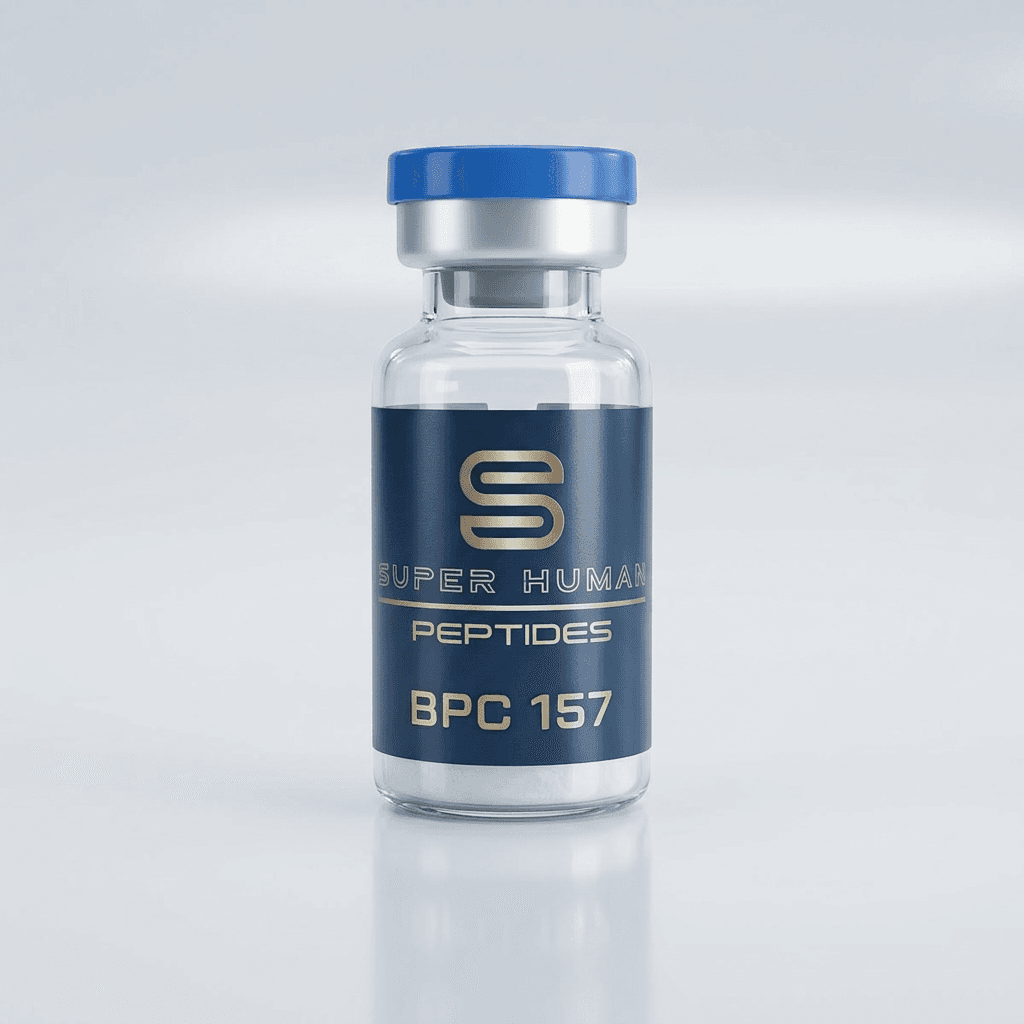
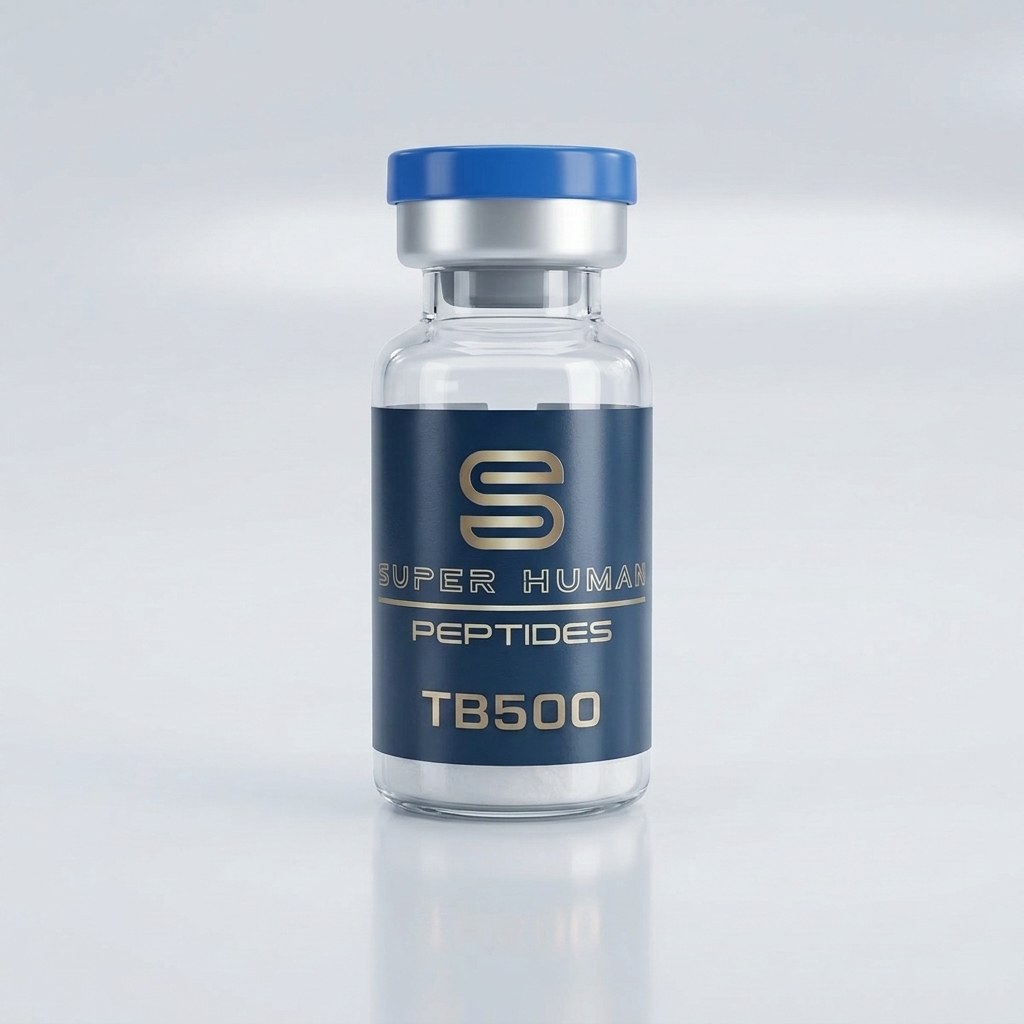
BPC-157 & TB-500 Mix
The BPC-157 and TB-500 blend from Super Human Peptides UK is a highly advanced, synergistic dual-peptide formulation. It combines two of the most profoundly effective tissue-repair compounds in modern science: Body Protection Compound-157 and Thymosin Beta-4 (TB-500). In laboratory research, this combination is revered as the ultimate "synergistic repair" model.
Researchers utilize this blend because the two peptides operate on entirely separate, yet complementary, biological pathways. BPC-157 aggressively up-regulates the VEGFR2 pathway, triggering massive angiogenesis (the creation of new blood vessels) to flood avascular, damaged tissue with oxygen. Simultaneously, TB-500 binds to cellular actin, controlling the physical structure and movement of cells, allowing fibroblasts and myoblasts to rapidly migrate into the newly oxygenated injury site to rebuild tissue.
Produced under GMP-compliant conditions and verified for 99% purity or higher, this blend is an elite tool for advanced preclinical research into extreme musculoskeletal trauma, severe wound healing, and post-surgical recovery modeling.
- —Synergistic Repair Mechanism: Combines the angiogenic (blood-vessel building) power of BPC-157 with the cellular migration (actin-regulating) power of TB-500.
- —Massive Angiogenesis: BPC-157 forces the rapid physical formation of new blood vessel networks to deliver oxygen to severely damaged connective tissue.
- —Actin Up-Regulation: TB-500 up-regulates actin, the vital cellular protein responsible for cell structure, mobility, and the physical contraction of muscle fibers.
- —Systemic Efficacy: Both peptides are highly systemic, meaning they travel through the bloodstream to hunt down and repair sites of acute inflammation and tissue damage.
- —High Purity: 99% purity or higher (verified by HPLC and MS analysis) for both compounds.
- —Quality Standard: GMP / ISO certified manufacturing.
- —Synergistic Trauma Recovery: Measuring the accelerated, biomechanically superior healing of crushed muscle tissue, severed tendons, and completely ruptured ligaments when both angiogenic and actin-binding pathways are activated simultaneously.
- —Cellular Migration: Investigating how TB-500 rapidly transports repair cells (macrophages, myoblasts, and fibroblasts) into the specific damage zones mapped out and oxygenated by BPC-157.
- —Ischemia and Hypoxia Modeling: Preclinical modeling of the rapid reversal of tissue necrosis following severe blood flow restriction, utilizing the blend to salvage dying muscle fibers and organ tissue.
- —Anti-Inflammatory Cascades: Studying the profound, systemic reduction in inflammatory cytokines (such as TNF-alpha and IL-6) at the site of acute trauma.
- —Neurological and Corneal Repair: Evaluating the secondary, combined ability of both peptides to repair damaged peripheral nerves and heal corneal lacerations without scarring.
The strategy of combining BPC-157 and TB-500 stems from decades of isolated research into both compounds. Researchers consistently noted that while BPC-157 was the undisputed master of creating new blood supplies (angiogenesis), tissue repair was still fundamentally bottlenecked by the speed at which physical repair cells could move into the area. TB-500 (Thymosin Beta-4) was identified as the solution.
As an actin-sequestering protein, it dictates how quickly cells can change shape and move. In advanced laboratory and animal modeling, co-administering these two peptides yields results that drastically outpace either compound used alone. BPC-157 builds the "highways" (blood vessels) to the injury, and TB-500 provides the "vehicles" (rapid cellular migration) to rebuild the physical structure.
Because this combination addresses both the supply and structural demands of extreme tissue trauma, it remains the gold standard in advanced regenerative pathology and sports medicine modeling.
- 1.Sikiric, P. et al., "Gastric pentadecapeptide body protection compound BPC 157 and its role in accelerating musculoskeletal soft tissue healing," Cell and Tissue Research, 2019. (BPC-157 Angiogenesis).
- 2.Goldstein, A.L. et al., "Thymosin beta4: actin-sequestering protein moonlights to repair injured tissues," Trends in Molecular Medicine, 2012. (TB-500 Actin Regulation).
- 3.Philp, D. et al., "Thymosin beta4 promotes angiogenesis, wound healing, and hair follicle development," Mechanisms of Ageing and Development, 2004.
- 4.Krivic, A. et al., "Achilles detachment in rat and healing in vitro: a novel clinical model, diclofenac, BPC 157, and L-NAME," Journal of Orthopaedic Research, 2006.